
Our research in the Cochlear Neurotranmission lab
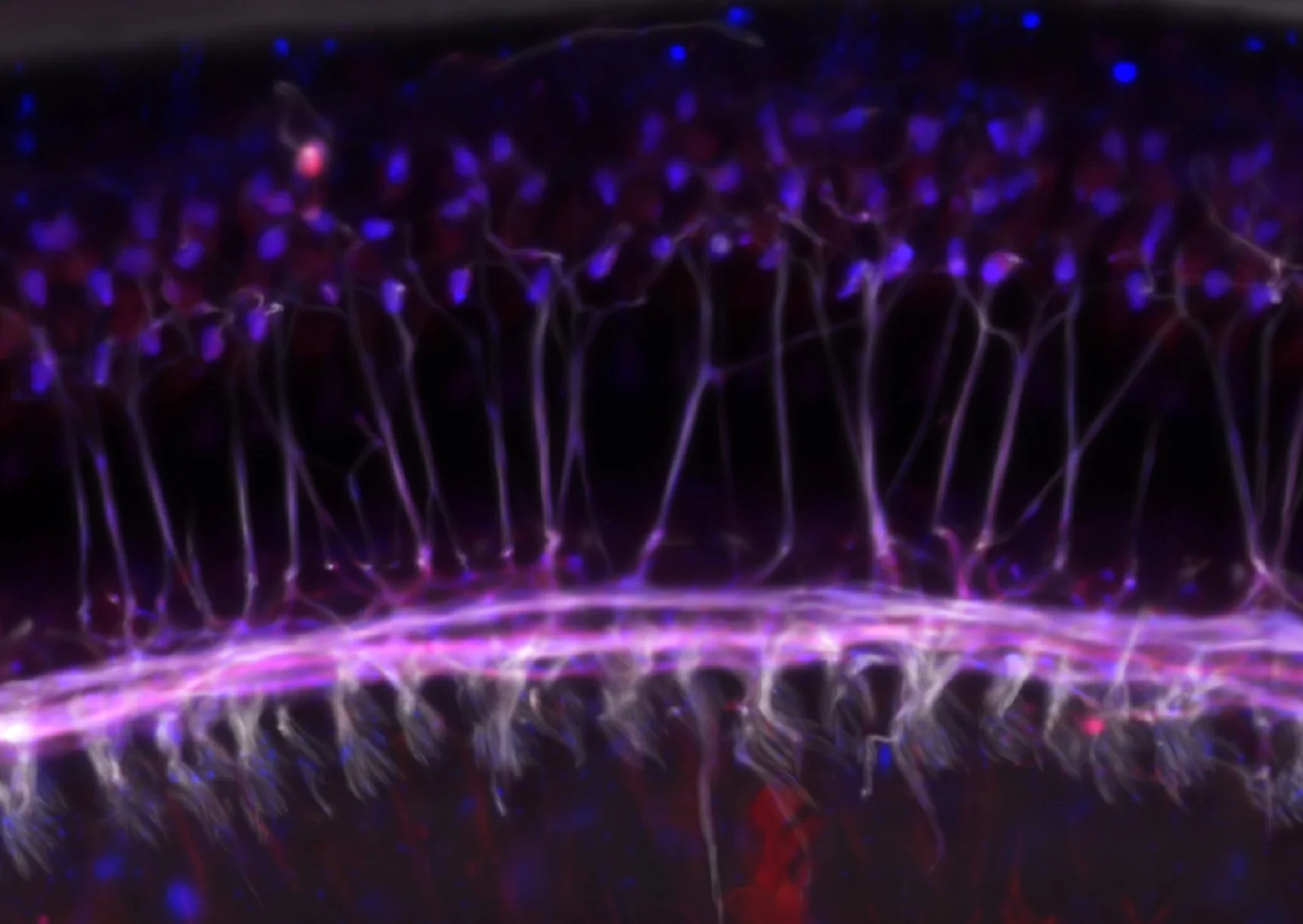
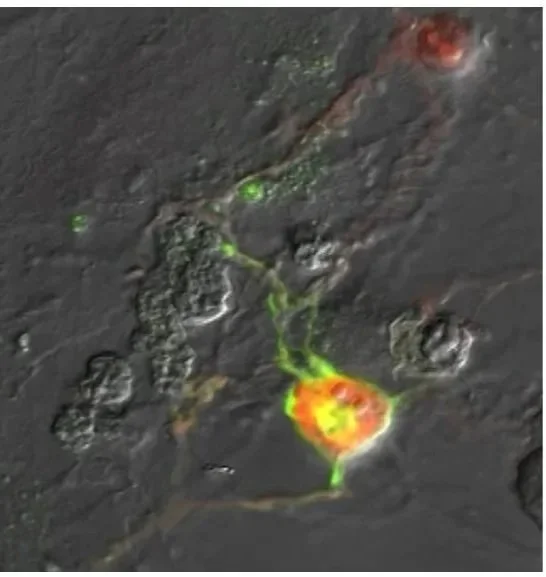
The sound signal is encoded by ribbon synapses between Inner Hair Cells and type-I Auditory Nerve Fibers in the cochlea. Ribbon synapses are characterized by highly specialized properties. They are fast, reliable, and indefatigable, making them distinct from conventional synapses found in the central nervous system.
The Vincent lab seeks to understand how the mammalian auditory system transforms sound into precise neural signals, with a particular focus on the molecular mechanisms that shape auditory nerve fiber activity. Using advanced electrophysiological, optogenetic, imaging, and molecular approaches, the Vincent lab investigates how synaptic transmission operates between IHCs and Type-I ANF to encode acoustic information. We are particularly interested in the role of the lateral olivocochlear efferent system, which originates from the lateral superior olive in the brainstem, and how it sets the distinct encoding properties of the auditory nerve fibers. By linking molecular mechanisms to neuronal function, our goal is to understand how efferent signaling helps to encode sensory input into patterns of auditory nerve activity that the brain can understand. In addition, by uncovering these mechanisms, we aim at understanding how the LOC efferent system may protect ribbon synapses from noise damage.
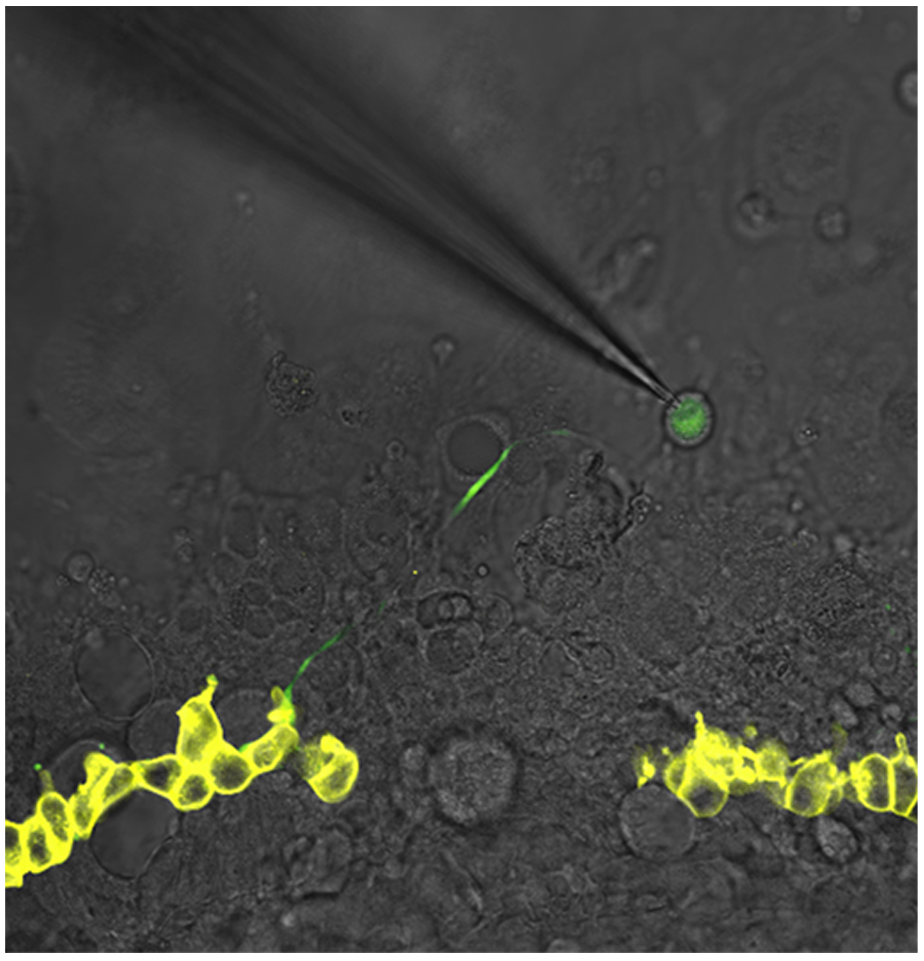
A second major focus of our research is the development of strategies to restore auditory function following sensory hair cell loss or damage to ribbon synapses. We investigate how supporting cells can be reprogrammed into new hair cells and whether these regenerated cells can establish functional synaptic connections with auditory nerve fibers. Combining regenerative biology with electrophysiology, optogenetics, and confocal imaging, we aim to determine not only whether new hair cells can be generated, but whether they can reproduce the highly specialized synaptic and coding properties required for hearing. Ultimately, my research program seeks to bridge fundamental discoveries in auditory neuroscience with innovative therapeutic strategies for restoring hearing.